
by Burke Barclay | Nov 5, 2023 | Social Security Disability
Most people do not know in order to qualify for Social Security disability benefits, they need to earn work credits to be insured. The disability program administered by SSA is an actual insurance program where workers pay into the system for possible benefits if they have a severe mental or physical condition which keeps them from working.

by Burke Barclay | Nov 5, 2023 | Social Security Disability
How Social Security Determines Disability
Being disabled does not mean you have a condition or impairment which keeps you from working.
In fact, if you are telling yourself you are too sick or impaired to work, it’s likely you could find yourself on the losing end of your application for disability benefits. If you’re reading this blog, you’re probably searching for answers as to what to do next now that you just received your first or even second denial.

by Burke Barclay | Nov 5, 2023 | Social Security Disability
Are You Too Smart To File For Social Security Disability Benefits?
It’s true, sometimes people have too much education and/or transferable work skills to be completely unable to work at any other job in the national economy.
When filing for Social Security disability benefits, the Social Security Administration (SSA) looks at a number of factors to decide whether you are disabled.
Most importantly, SSA looks at your age, your education, and your transferable work skills from jobs you’ve held over the last fifteen years (besides your medical records).

by Burke Barclay | Nov 4, 2023 | Social Security Disability
Many people reach a level in their treatment where going to the doctor or the hospital simply is not going to cure their impairment or condition. It becomes pointless to keep seeking medical attention. But, that is not the reason why the Social Security Administration determines whether or not a person is disabled.
by Burke Barclay | Oct 5, 2023 | Social Security Disability
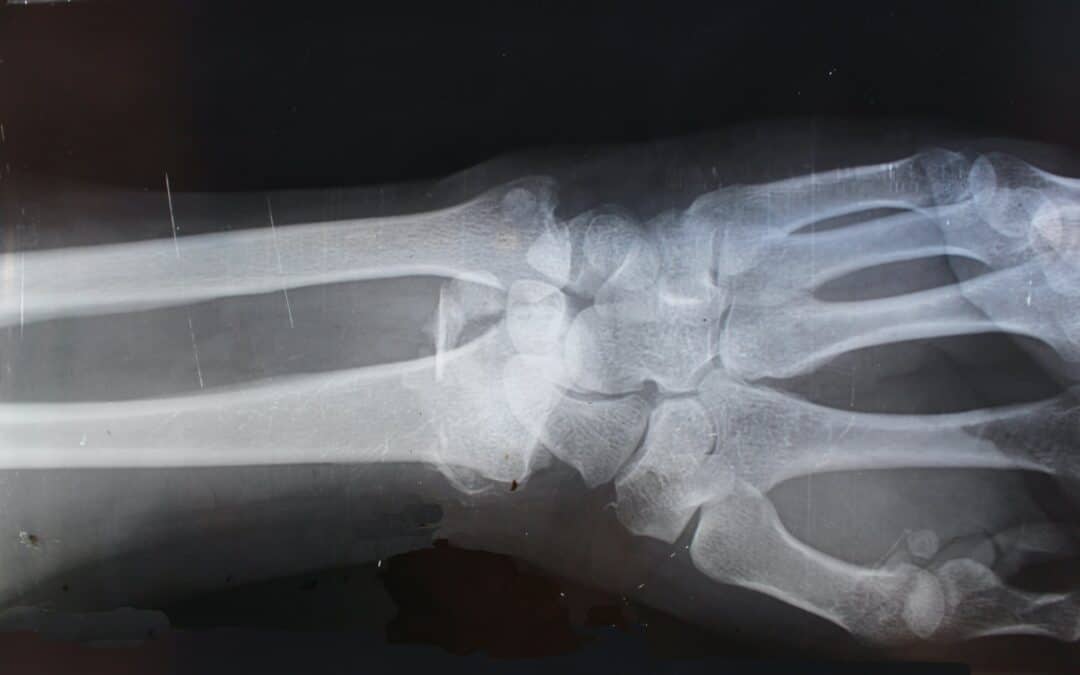
Believe it or not, Social Security regulations require anyone working for the Administration to not approve a claim unless there is medical evidence to support the allegation that a claimant is disabled. For example, not matter how much a person claims he or she is in pain, those allegations must be substantiated in order for a claim to be approved. Simply put, unless there is some amount of medical evidence, your claim is going to be denied.